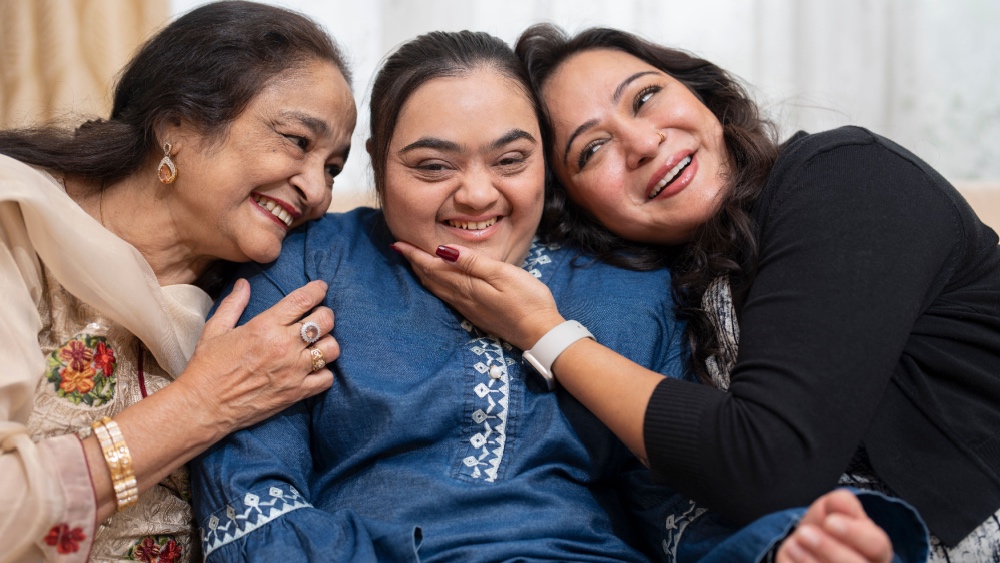
Down syndrome is one of the most familiar genetic conditions worldwide, yet misunderstandings about it persist. With better awareness, modern healthcare, and strong community support, people with Down syndrome today can lead healthier, more independent lives than ever before. Here’s what families, caregivers, and the public should know.
WORDS ABRAHAM MATHEW SAJI
- Around 15%of the global population lives with some form of disability, and attitudes toward disability continue to evolve.
- Among conditions that affect cognitive and developmental growth, Down syndrome remains one of the most widely recognized.
- Despite this familiarity, public understanding is often shaped by outdated assumptions rather than current science and lived experience.
WHAT GIVES RISE TO DOWN SYNDROME?
Down syndrome, also called trisomy 21, occurs when a baby is born with an extra copy of chromosome 21.
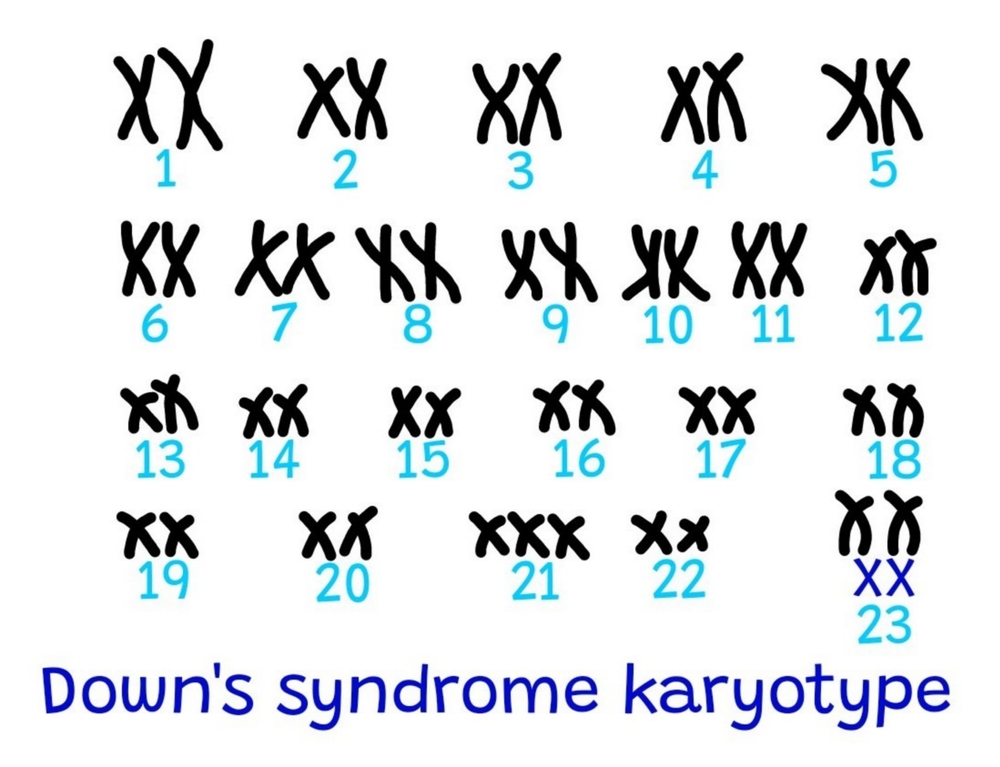
- The additional genetic material from the extra chromosome influences brain development, physical growth, and certain health characteristics.
- It is a lifelong condition, but the degree of impact varies widely from person to person.
How Did the Extra Chromosome Come to Be?
- Trisomy 21 happens because of a random error in cell division, usually during the formation of the egg (nondisjunction).
- It is not caused by:
- Diet during pregnancy
- Lifestyle during pregnancy
- Stress levels during pregnancy
- Exposure to chemicals or other substances during pregnancy
- What is confirmed is that the likelihood of having a child with Down syndrome increases with maternal age or the age of the mother when she became pregnant.
THE LIKELIHOOD OF HAVING A CHILD WITH DOWN SYNDROME
The likelihood increases with maternal age.
- Age 30: about 1 in 900
- Age 35: 1 in 400
- Age 40: 1 in 105
- Age 46: about 1 in 20
However, regardless of age, Down syndrome can occur in any pregnancy.
| Modern prenatal care offers tests that can identify Down syndrome before birth. These tests help families and healthcare providers prepare for the medical care and support a child may need. |
HEALTH CONSIDERATIONS FOR SOMEONE WITH DOWN SYNDROME
- Children may have delayed cognitive development, slower learning pace, or shorter attention span.
- Many also experience certain health concerns at higher rates, such as:
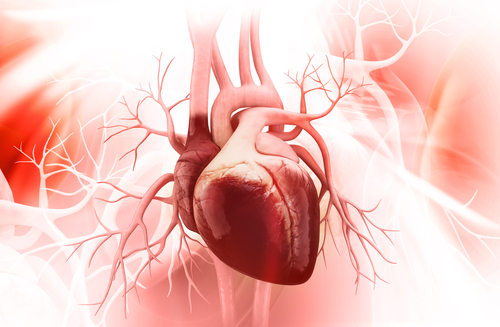
- Heart defects
- Endocrine conditions like thyroid disorders
- Gastrointestinal issues
- Higher susceptibility to infections
- Increased risk of certain blood disorders
- Early and consistent medical follow-up is needed to help manage the risks of health issues effectively.
Living With Down Syndrome Today
- Advances in healthcare, early intervention, and inclusive education have dramatically improved outcomes.
- With the right support — such as occupational therapy, speech therapy, and social-skills programmes — children with Down syndrome can develop stronger communication, motor, and everyday living skills.
Today, the average life expectancy has risen and people with Down Syndrome can live to their 50s and 60s — a significant increase compared to previous generations.
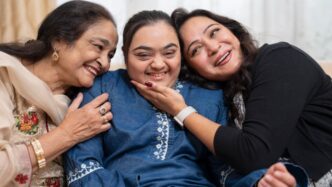
Many adults with Down syndrome work, participate actively in their communities, and lead fulfilling, productive lives.
BUILDING A MORE INCLUSIVE SOCIETY
- Creating an inclusive environment means ensuring equal access to education, skills training, healthcare, and employment opportunities.
- Communities play a crucial role in shaping the quality of life of people with Down syndrome — not by enabling the disabled, but by removing barriers and recognizing that dignity and capability exist across a spectrum.
- Awareness days such as International Day of Persons with Disabilities, held every December 3rd, serve as reminders that inclusion is not a gesture; it’s a responsibility.
| This article is part of our series on neuroatypical conditions and how neuroatypical people can still lead fulfilling lives with the right support. |